Mello-Roos: The Extra Line on Your California Property Tax Bill
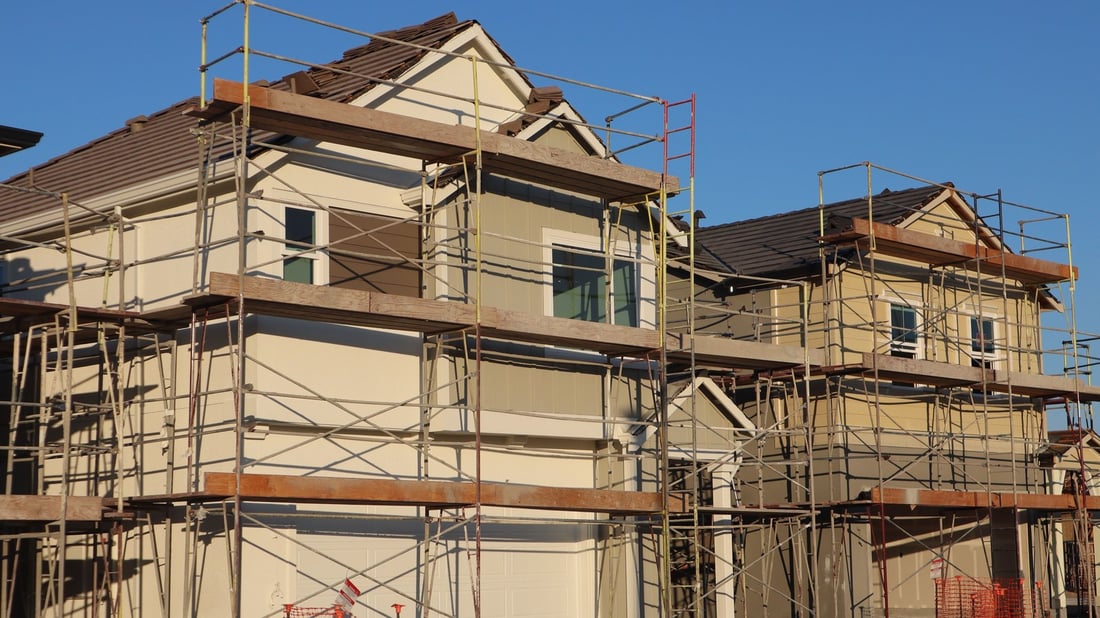
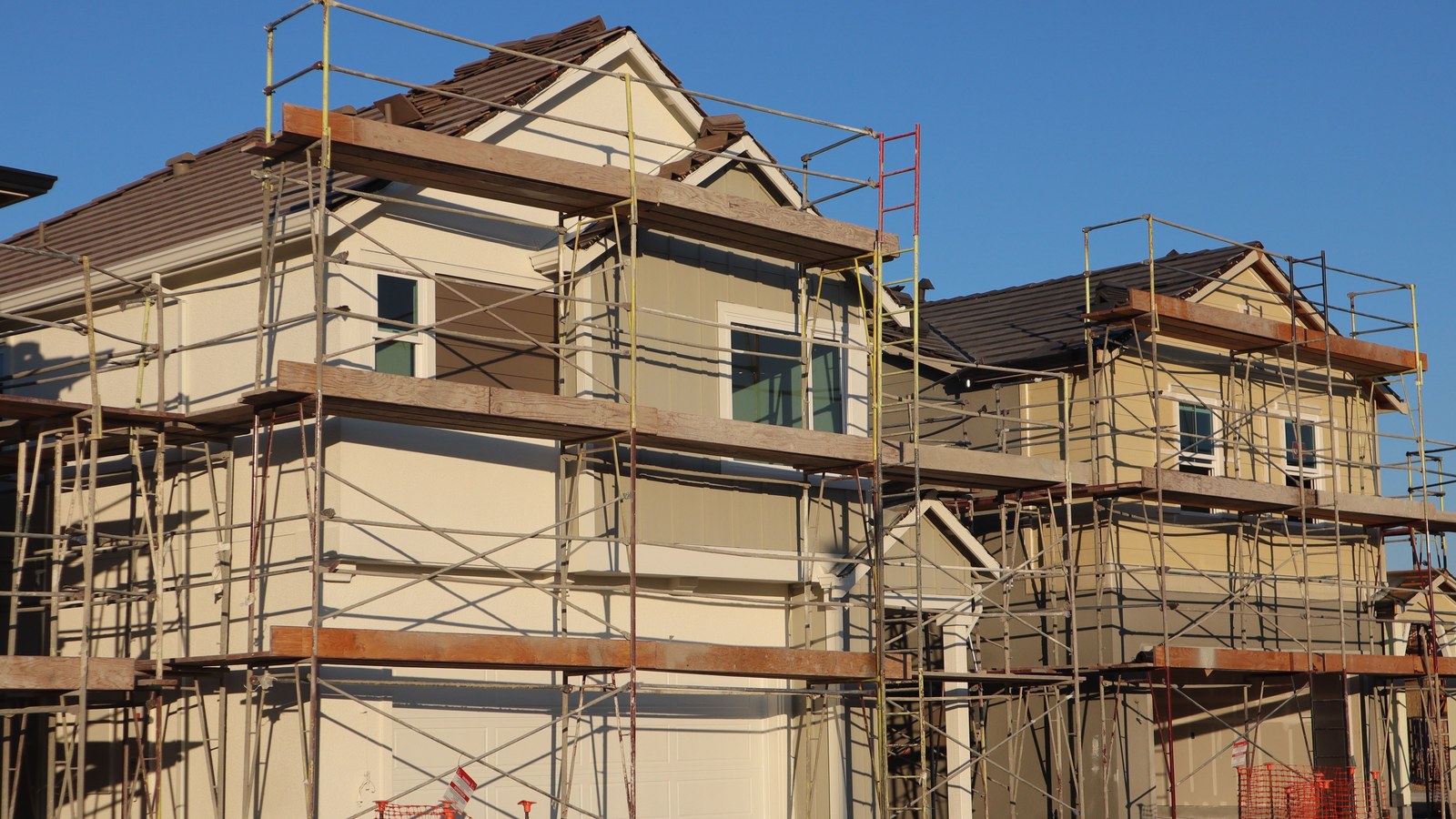
Two nearly identical homes sit a few streets apart in a newer California suburb. Same builder, same square footage, similar prices — yet their property tax bills are thousands of dollars apart. The difference is usually one line item: a Mello-Roos special tax. If you are shopping new construction, or any neighborhood built in the last few decades, this is a number to find before you write an offer, because it changes your monthly payment and what you qualify for.
Key takeaways
- A Mello-Roos special tax is levied by a Community Facilities District (CFD) under a 1982 California law, on top of your regular property taxes.
- It is not based on your home's value — the amount comes from a formula fixed when the district was created, and it can step up annually per that formula.
- Buyers are entitled to a statutory Notice of Special Tax disclosing the maximum tax, any annual increase, and how long it runs. A builder must give it to you, and get your signature on it, before you sign a purchase contract.
- If it goes unpaid, the district can foreclose — the statutory notice says so in as many words.
- Lenders count Mello-Roos in your housing expense, so it directly affects debt-to-income qualifying and, if your loan has an escrow account, your monthly escrow payment.
What a Mello-Roos tax actually is
The Mello-Roos Community Facilities Act of 1982 (California Government Code sections 53311–53368.3) lets cities, counties, school districts, and other local agencies form a Community Facilities District and, with two-thirds approval in a district election, levy a special tax to finance public facilities and services — roads, utilities, parks, and similar infrastructure, frequently by repaying bonds the district issued to build them.
In a new subdivision that election can happen before anyone lives there. When fewer than 12 people have been registered to vote in the proposed district, the vote goes to the landowners, with one vote for each acre or part of an acre (Government Code section 53326). The buyers who end up paying the tax may never have voted on it.
Two features distinguish it from the property tax you already know:
- It is additional. The statutory buyer notice describes it as "a special tax, that is in addition to the regular property taxes and any other charges and benefit assessments on the parcel."
- It is not tied to value. Regular California property tax is ad valorem. A Mello-Roos levy follows the district's own rate-and-method formula — so it does not fall just because assessed values do, and two similar houses in different districts can owe very different amounts.
The disclosure you should read closely
California law puts a Notice of Special Tax in front of anyone buying a home in a CFD. Which rule applies depends on who is selling:
- Buying new from a builder. The builder may not let you sign a purchase contract or deposit receipt until you have been given the notice and have signed it (Government Code section 53341.5).
- Buying a resale. The seller must make a good faith effort to get the notice from each agency that levies the tax and deliver it to you (Civil Code section 1102.6b, using the form in Government Code section 53340.2). The law also accepts a notice prepared by a private disclosure company, as long as it shows the current tax, the maximum tax, the annual increase, and the end date.
Either way, the statutory form is worth reading line by line, because it answers the questions that matter:
- the maximum special tax that may be levied against the parcel for the current tax year;
- the percentage by which it may increase per year, if applicable. For a home in a district formed since 1993, the facilities portion of the maximum cannot rise by more than 2 percent a year (Government Code section 53321), while a tax for ongoing services follows the district's own formula;
- how long it lasts — typically "until all of the authorized facilities are built and all special tax bonds are repaid," with a stated final tax year, and district service taxes can, in some cases, run indefinitely;
- what facilities and services the money pays for.
The notice also carries a warning in capital letters that the buyer should take the tax into account in deciding whether to buy. It has the buyer acknowledge a right to terminate the purchase contract, in writing, within three days of receiving the notice in person or within five days after it was mailed. If you are told a disclosure is "coming later," slow down — this document is designed to reach you before you are committed.
The law also makes the information easy to get independently: each district must designate an office responsible for the special-tax roll and for estimating future levies, and it must furnish a Notice of Special Tax to anyone who requests one within five working days, for a fee of no more than $15.
What happens if it goes unpaid
The statutory notice is unambiguous: "If you fail to pay this tax when due each year, the property may be foreclosed upon and sold." The Act backs that up: when a district has bonds outstanding, it can go to superior court to foreclose the special tax lien (Government Code section 53356.1). Mello-Roos delinquencies are not a soft obligation — treat the levy exactly as seriously as the base tax bill.
How it affects your mortgage
Lenders qualify you on your full monthly housing expense. Fannie Mae's Selling Guide, one of the main rulebooks for conventional loans, counts real estate taxes and special assessments in that total alongside principal, interest, and insurance, and it expects the lender to know when a property sits in a community facilities district. A Mello-Roos levy is in the number either way. Practically, that means:
- Debt-to-income: a meaningful Mello-Roos levy reduces the loan size you qualify for compared with an identical home outside the district.
- Escrow: the levy is usually collected on the same county bill as your property taxes, so if your loan has an escrow (impound) account it flows straight into the monthly payment.
- New construction: Fannie Mae has the lender estimate taxes on the land plus all improvements, so you are qualified on the bill the finished home will carry, not on what the empty lot was billed. Bring the Notice of Special Tax so the Mello-Roos figure in that estimate is the real one.
- Comparison shopping: when weighing two homes, compare total tax bills, not list prices alone.
How to research a specific address
- Pull the current secured property tax bill for the parcel from the county tax collector's website and look at the direct levies or special taxes section — Mello-Roos items usually appear there by district name.
- Ask the listing agent, or the builder's sales office, for the Notice of Special Tax early, not at signing.
- Call the district's designated office (the notice lists it) and ask for the current levy and the estimated future levies — the statute specifically obligates them to answer.
One more California surprise worth knowing about while you budget: your first year also brings a one-time catch-up bill when the county reassesses at your purchase price — we covered it in the California supplemental property tax bill. They are separate mechanisms; a new-construction buyer in a CFD can meet both in the same year.
Mello-Roos districts are common in the newer master-planned areas we serve, including Elk Grove, Roseville, Lincoln, Folsom, and the Inland Empire. For the borrowing side of the budget, see our California loan limits guide and the conventional loans program page.
The cleanest way to see what a specific address does to your qualification is to run it with the real tax bill in hand — get started with a California advisor.
Frequently Asked Questions About Mello-Roos Special Tax
What is a Mello-Roos special tax?
It is a levy imposed by a Community Facilities District under California's Mello-Roos Community Facilities Act of 1982. It funds public facilities and services, often by repaying district bonds, and is charged in addition to regular property taxes rather than being based on your home's value.
How do I find out if a home has Mello-Roos?
Check the direct levies section of the parcel's county property tax bill, and ask for the statutory Notice of Special Tax early in the transaction. A builder must give it to you before you sign a purchase contract. Any district must also furnish the notice to anyone who requests it within five working days, for a fee of no more than fifteen dollars.
How long does a Mello-Roos tax last?
The district's own formula controls. The statutory notice states the tax runs until the authorized facilities are built and the special tax bonds are repaid, with a stated final tax year, and separate service levies can sometimes continue indefinitely. The notice for the parcel gives the exact dates.
Does Mello-Roos affect how much home I can qualify for?
Yes. Lenders count special taxes in your monthly housing expense, so a meaningful levy raises your debt-to-income ratio and reduces the loan size you qualify for compared with an identical home outside the district. If your loan has an escrow account, the levy is also collected through the monthly escrow payment alongside regular taxes.
What happens if the special tax is not paid?
The statutory Notice of Special Tax warns that failing to pay the tax when due each year can lead to the property being foreclosed upon and sold. Treat the levy with the same seriousness as the base property tax bill when you budget for a home inside a district.
Sources
- California Legislative Information — Government Code § 53340.2 (Notice of Special Tax; statutory notice form) — https://leginfo.legislature.ca.gov/faces/codes_displaySection.xhtml?lawCode=GOV§ionNum=53340.2 — accessed 2026-11-24
- California Legislative Information — Government Code § 53341.5 (notice a subdivider must give before a purchase contract is signed) — https://leginfo.legislature.ca.gov/faces/codes_displaySection.xhtml?lawCode=GOV§ionNum=53341.5 — accessed 2026-11-24
- California Legislative Information — Civil Code § 1102.6b (seller disclosure of special tax on resales) — https://leginfo.legislature.ca.gov/faces/codes_displaySection.xhtml?lawCode=CIV§ionNum=1102.6b — accessed 2026-11-24
- California Legislative Information — Government Code § 53311 et seq., Mello-Roos Community Facilities Act of 1982 — https://leginfo.legislature.ca.gov/faces/codes_displaySection.xhtml?lawCode=GOV§ionNum=53311 — accessed 2026-11-24
- California Legislative Information — Government Code § 53326 (registered-voter and landowner elections) and § 53328 (two-thirds vote) — https://leginfo.legislature.ca.gov/faces/codes_displaySection.xhtml?lawCode=GOV§ionNum=53326 — accessed 2026-11-24
- California Legislative Information — Government Code § 53321 (2 percent limit on residential facilities tax increases) — https://leginfo.legislature.ca.gov/faces/codes_displaySection.xhtml?lawCode=GOV§ionNum=53321 — accessed 2026-11-24
- California Legislative Information — Government Code § 53356.1 (foreclosure of the special tax lien) — https://leginfo.legislature.ca.gov/faces/codes_displaySection.xhtml?lawCode=GOV§ionNum=53356.1 — accessed 2026-11-24
- Fannie Mae Selling Guide — B3-6-03, Monthly Housing Expense for the Subject Property — https://selling-guide.fanniemae.com/sel/b3-6-03/monthly-housing-expense-subject-property — accessed 2026-11-24
- Fannie Mae Selling Guide — B4-1.4-09, Special Assessment or Community Facilities Districts Appraisal Requirements — https://selling-guide.fanniemae.com/sel/b4-1.4-09/special-assessment-or-community-facilities-districts-appraisal-requirements — accessed 2026-11-24
This article is for general information only and is not legal, tax, or financial advice. State law and investor guidelines change; confirm current requirements with a licensed professional before making decisions. Xpert Home Lending, Inc. is an Equal Housing Lender.
Ready to take the next step? Connect with a mortgage advisor today.
Get Pre-QualifiedMore from the Blog